
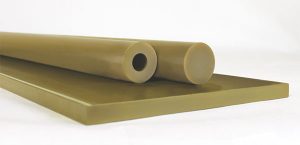
Torlon PAI is specified for applications that must function reliably under extreme physical loads and frictional forces, exposure to radiation and chemicals, cryogenic conditions and high temperatures beyond the limits of most polymers.
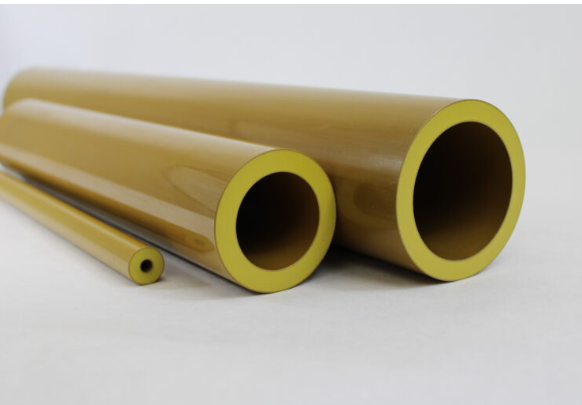
Torlon tubes have proven to be highly efficient for machining components with a circular or tubular configuration for equipment that operates under these extreme service conditions.
What are the Benefits of Torlon Tube?
Regardless of whether a component is machined from a Torlon tube, rod, plate, the starting point for specifying the material is the combination of properties that different Torlon grades offer.
Performance Benefits of Torlon PAI
Torlon PAI offers an impressive and unmatched combination of properties. The most notable performance features of the material are:
- Temperature resistance – Torlon PAI has high thermal stability under load. Its glass transition temperature (Tg) or softening point of 275oC (527oF) is higher than any melt processable thermoplastic, and is consistent across all grades. The various Torlon grades also have a high heat distortion temperature of 278oC (532oF) based on standard ASTM testing.
Torlon PAI also retains its toughness and strength at cryogenic temperatures. This attribute coupled with its tolerance to radiation exposure have led to specifications for functional parts machined from Torlon tube for spacecraft equipment.
- Wear resistance –Torlon PAI has an inherently low coefficient of friction. Greater wear resistance is available with Torlon 4301 and Torlon 4275. These enhanced wear-resistant grades are modified with various combinations of solid lubricants like PTFE, graphite and carbon fibers that are uniformly integrated into each formulation. They extend the life of operating components and can lengthen the time between shutdowns to replace parts, providing a significant boost to productivity and output.
Torlon tube is often chosen as the machinable shape for these bearing and wear grades. It is the most economical form for machining seals, bushings and other applications with circular configurations that must function reliably under high dynamic loads.
In addition to the standard Torlon grades, Drake Plastics compounds three different Drake PAI bearing and wear grades formerly produced by Syensqo, and converts them into Torlon tube for a range of application. All grades are made from Torlon PAI resin with different levels of solid lubricants in accordance with Syensqo’s prior formulations. Drake extrudes the shapes using its unique Seamless Tube® technology which eliminates weld lines that can be weak areas in tube extruded by conventional methods.
- High strength and stiffness at elevated temperatures – One of the distinguishing characteristics of Torlon PAI is that it maintains its high flexural modulus at temperatures beyond the limits of most other polymers. Glass-reinforced Torlon 5030 and carbon fiber reinforced Torlon 7130 have filler loadings that boost the material’s structural strength to higher levels.
- Dimensional stability – The PAI polymer’s low coefficient of thermal expansion ensures that precision components machined from Torlon tube maintain critical dimensions even through rapid swings in operating temperatures. The material’s creep resistance also maintains structural integrity of parts under load.
- Chemical resistance – Torlon PAI can tolerate a range of chemicals including jet fuels, oils and various other hydrocarbons. However, variables such as temperature and pressure can affect any material’s performance in a specific environment. It is always recommended to confirm chemical resistance for an application directly with the material supplier and ultimately by testing the actual parts in their operating environment.
The Benefits of Post-curing Torlon Tube and Machined Parts
Torlon PAI’s unique chemistry enables its polymer chains to extend and crosslink during thermal curing. The benefit is that optimum post-curing conditions create an outer surface on Torlon tube and machined parts that has the highest Tg and the best wear and chemical resistance.
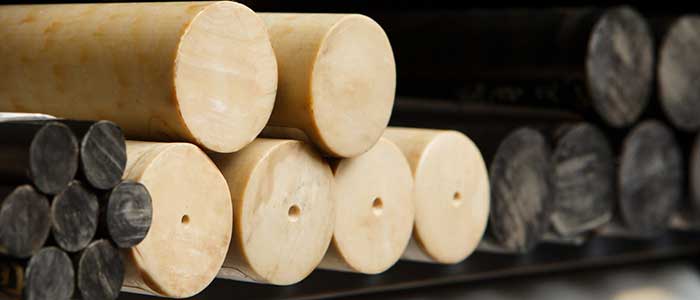
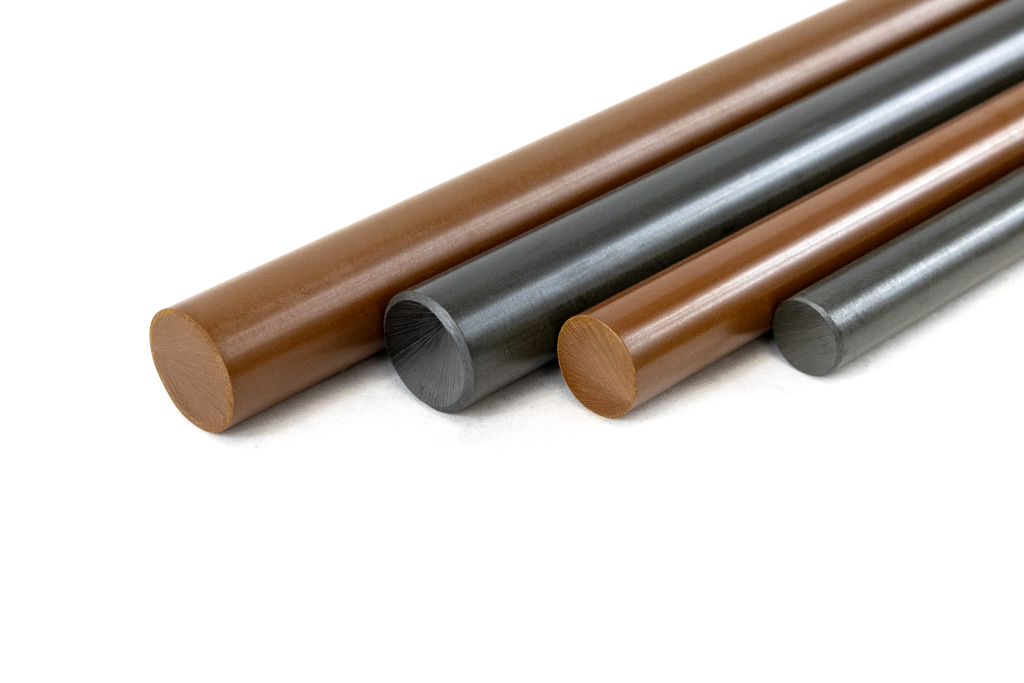
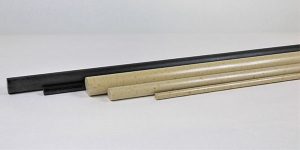
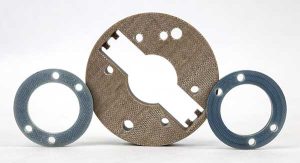
Proper post-curing typically requires more than two weeks at the optimum temperature of 500°F/ 262°C. These conditions create the hard, darkened high-performance surface while the interior material remains less cured. Machining the surface also reveals the interior material’s lighter color (photo).
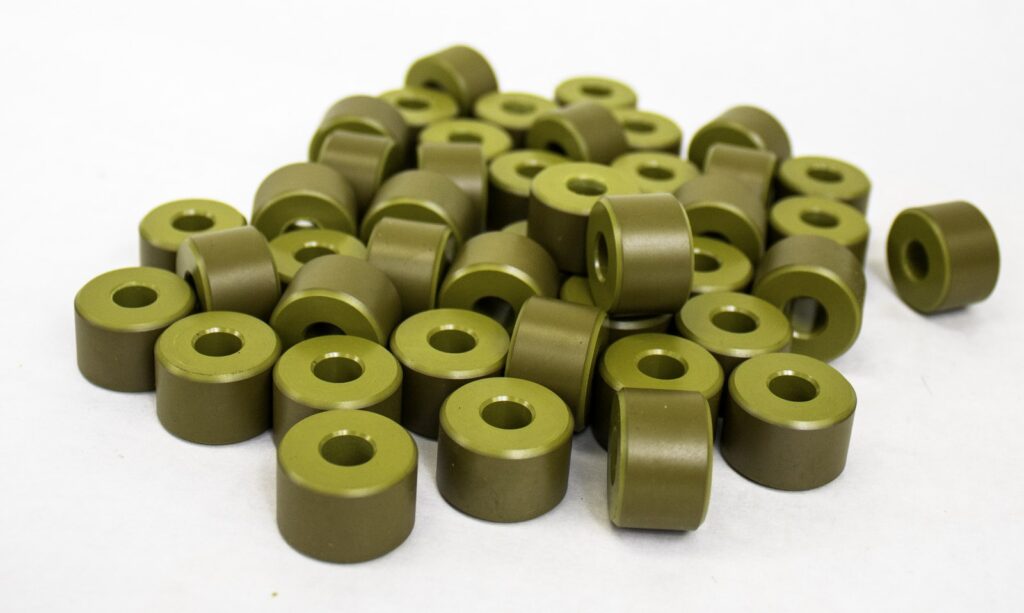
In the case of Torlon tube, full post-curing creates optimum bearing and wear properties on the OD and ID surfaces. Consequently, the OD and/or ID can serve as highly wear-resistant and load-bearing surfaces for applications such as rollers. If machining the optimized surface is necessary to achieve part design specifications, it is advisable to have the final parts post-cured to re-create the ideal properties on the bearing and wear interface.
Drake Plastics is a leading Torlon tube extruder that post-cures all its stock shapes and has capacity and expertise to post-cure machined components as well.
Benefits of Torlon Tube in Manufacturing Parts
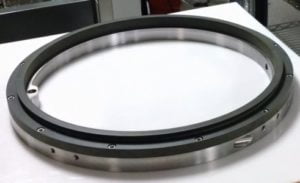
Torlon tube is the ideal form for part configurations like seals and rings. It also lends itself to machining so long as the tube is extruded and post-cured properly.
- Machinability – Efficiency and reproducibility of precise part dimensions in machining start with the quality and stability of the extruded Torlon tube. Proper extrusion and post-curing conditions minimize the internal stresses in Torlon tube that can otherwise cause distortion during machining and when exposed to temperature variations in the equipment’s operating equipment. High quality Torlon tube, conversely, affords machined parts with repeatable precision tolerances and low residual stresses.
- Production economics – The tube configuration is the obvious choice for machining components such as seal rings, circular gears and bushings. The minimal material loss as compared to machining these types of parts from rod is significant.
Historically, some large diameter applications were also machined from plate with significant material loss because of the lack of large Torlon tube sizes. Drake Plastics, however, has developed technology to extrude Torlon tube in a wide range of ID/OD combinations that eliminates the need to use other less efficient material forms.
What are the Most Common Applications of Torlon Tubes?
Torlon tubes provide cost efficiency and high performance for complex machined components that must function dependably at temperature extremes under high structural or dynamic loads. Typical applications include:
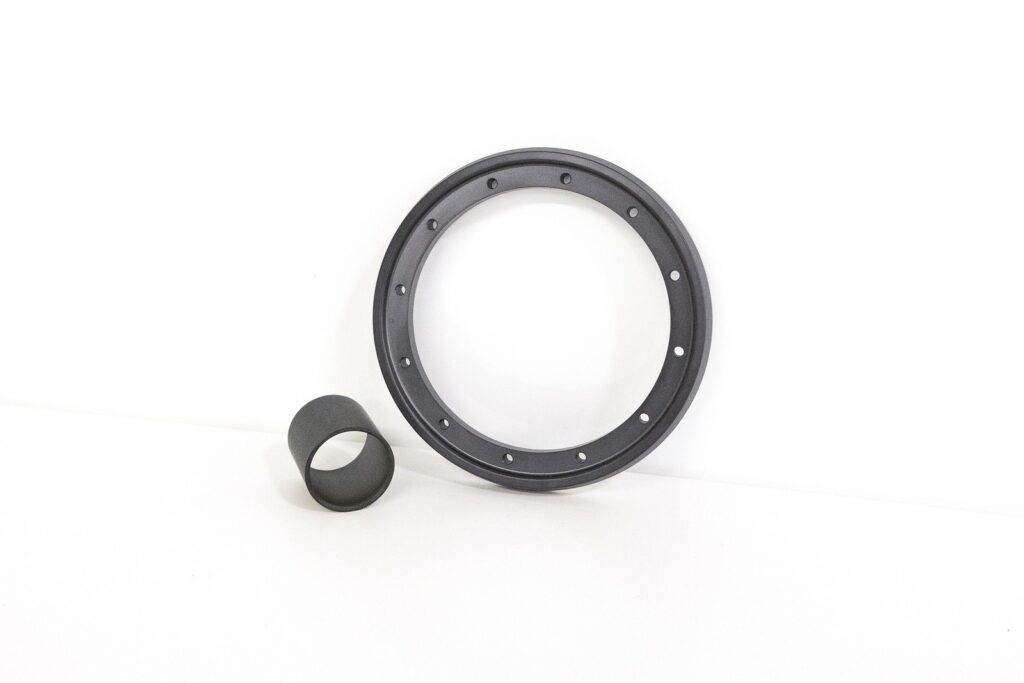
- Bearing sleeves and bushings – Torlon tubes are a frequent choice for machined bearing sleeves, bushings and other rotating wear components, and often replaces metal that requires external lubrication. Torlon bearing and wear grades also have a proven record in thermally demanding applications in down-hole oil and gas equipment. Its dependable performance in cryogenic conditions and in radiation have also led to many applications in aerospace and spacecraft equipment.
- Wear rings, guide rings and thrust components – Torlon’s excellent wear resistance and low creep make it a good choice for parts that must withstand frictional forces and maintain dimensions under high pressures.
- Valve seats – Torlon PAI is especially effective for valve seat applications that must operate reliably at high temperatures and pressures or physical loads. Its chemical resistance is another factor behind many specifications for these components.
- Pump and compressor components – Torlon is a common choice for compressor rings, pump sleeves, bearing supports and cylindrical components that are exposed to high pressures, temperatures and friction.
- Aerospace and defense components – Torlon PAI’s compliance with the FAA’s FAR 25.853 flame, smoke and toxicity specifications and the global AS9100 standards for aviation, defense and spacecraft are behind its use in many structural and bearing and wear applications in these industries. It is also used as tubing connects for fighter jet fuel systems.
- Semiconductor manufacturing parts – Torlon tubes are machined into bushings and thermal and electrical insulators and isolators for semiconductor manufacturing equipment.
- Specialized automotive performance components – Torlon is used in transmission thrust washers, specialized steering system bushings and turbocharger/supercharger components that require performance at high temperatures under extreme physical and dynamic loads.
Growth in applications of Torlon tube for machined components has been steady in high technology industries worldwide, and the increase has been exceptional with the expansion of applications in spacecraft and deep space exploration and mapping equipment.
Why Is the Method of Extruding Torlon Tube Important?
Torlon tubes are principally produced by melt extrusion. However, tube extrusion technology varies significantly in the industry, and it can affect the performance of machined parts.
For example, using a “spider” die design with a center mandrel that determines the OD/ID dimensions is a common method for extruding rigid tube in high performance plastics. However, spider dies split the melt stream into several flow paths that then form weld lines when the material re-combines or “knits” into the final tube configuration downstream.
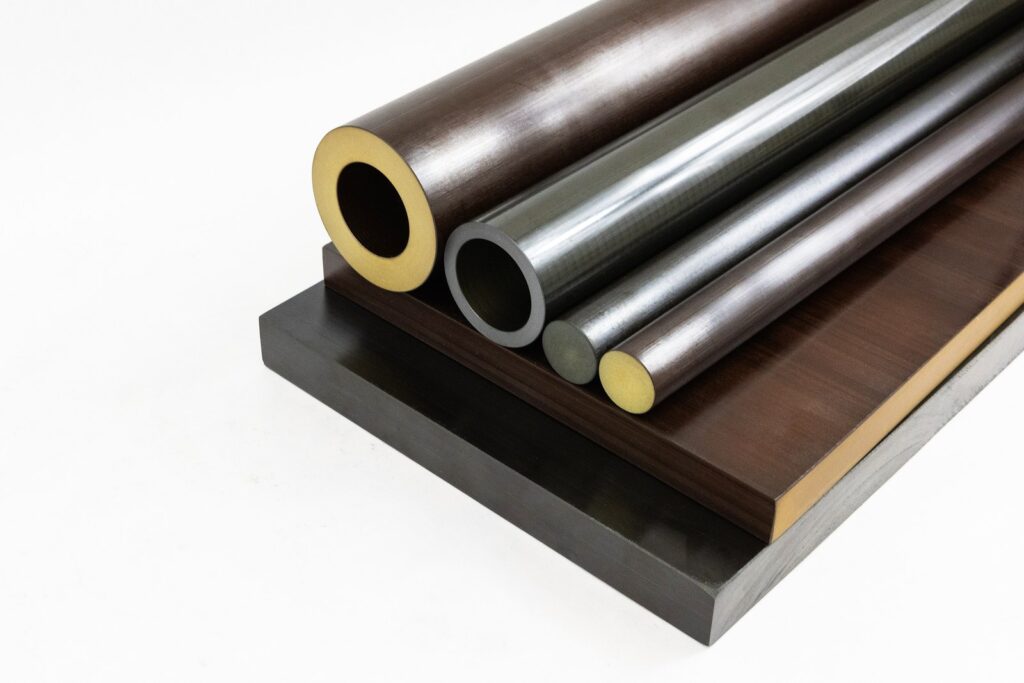
Weld lines can be weak spots in the Torlon tube that can be problematic for components that see high hoop stresses. Other problems associated with this method of extruding Torlon tube include inconsistent wall thickness.
To counter these problems, Drake Plastics developed what it calls its Seamless Tube® technology for Torlon and other high performance plastics. The process affords a homogenous cross section with no flow or weld lines. With fiber reinforced grades, the process orients fibers in the direction that maximizes burst strength and resistance to hoop stresses.
The advances in extrusion technology that afforded more reliable performance and the expansion of readily available OD/ID combinations have led to significant growth in machined applications for Torlon tube worldwide.
In addition to extrusion equipment and die considerations, post-curing is an integral part of the tube extrusion process to achieve full performance value from any Torlon shape. Capable extruders will have the expertise, history and the capacity to manage the post-extrusion curing step with reliable lead times and delivery dates for the typically critical Torlon tube applications.