
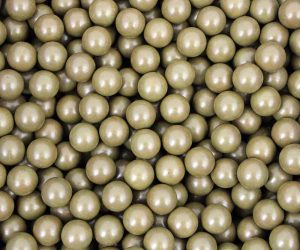
The Cryogenic Valve Design Guide from Victrex gives valve engineers a practical framework for specifying VICTREX CT™ 100 and CT 200 polymers in cryogenic valve seats, seals, and gaskets. It compares both grades with PCTFE across the properties that decide seal performance from ambient down to -196 °C: strength and impact resistance at temperature, coefficient of friction, thermal conductivity, thermal expansion, and wear.
Drake Plastics manufactures CryoDyn® CT-200 cryogenic grade stock shapes and CryoDyn CT-100 and CT-200 injection molded parts from these polymers, so the guide is a useful reference when you are selecting a seat or seal material for LNG or liquid hydrogen service.
What the Cryogenic Valve Design Guide Covers
- Cryogenic sealing requirements: reliable operation from ambient to -196 °C or lower, dimensional stability under thermal cycling, low gas permeability, and resistance to cold flow and creep.
- Material comparison table: CT 100, CT 200, and PCTFE compared on operating range, tensile and impact strength at -196 °C, friction, thermal conductivity, CTE, permeability, wear, and PFAS status.
- Application guidelines: CT 100 for static seals such as seats and gaskets, and CT 200 for dynamic ball valve seats that cycle frequently.
- Property curves: thermal conductivity and coefficient of thermal expansion plotted against temperature for CT 100, CT 200, and PCTFE.
- Mold shrinkage data: along-flow and across-flow shrinkage for both CT grades at stated nozzle and tool temperatures.
- Machining, assembly, and standards: radius and surface finish guidance, annealing after machining, clean and dry assembly, and references to Shell MESC SPE 77/200 and 77/302.
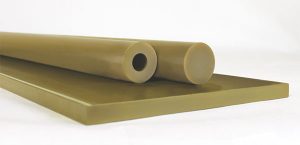
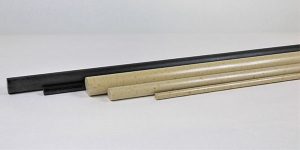
CryoDyn CT-200 Stock Shapes and Machined Seals
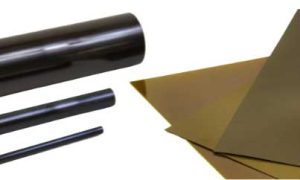
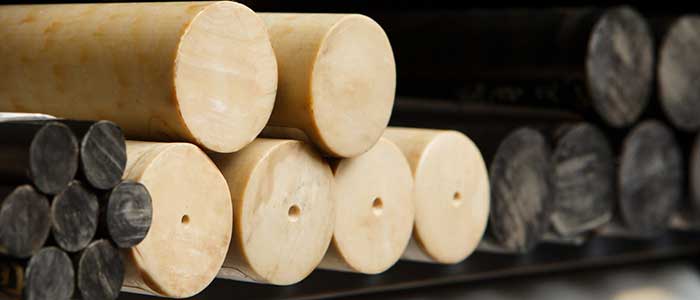
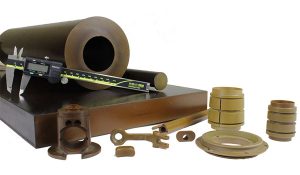
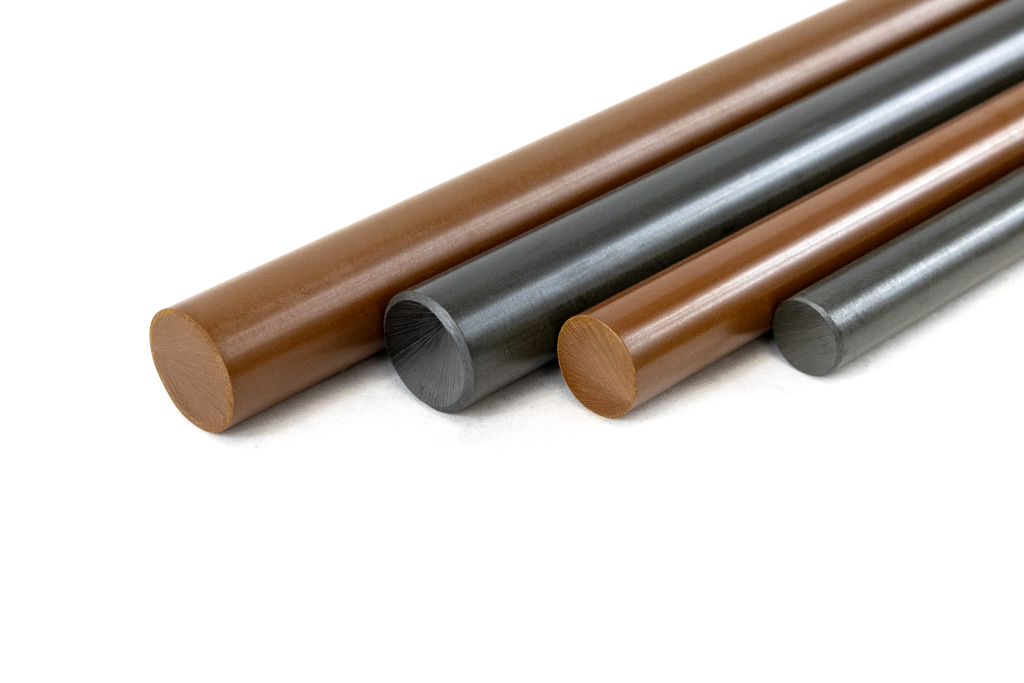
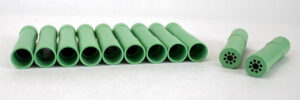
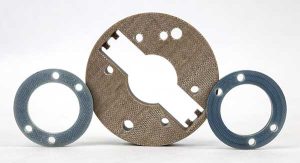
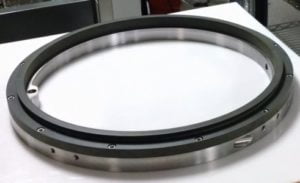
Drake can supply CryoDyn CT-200 as extruded rod, plate, and tube for your own machining, or as precision machined and annealed seats, seals, and gaskets built to your drawing. If you are weighing CT-200 against Drake PCTFE or another low-temperature polymer, our cryogenic materials overview and the CryoDyn CT-200 data sheet give you the supporting property data.
Contact Our Experts
"*" indicates required fields
Cryogenic Valve Design Guide FAQs
What is the difference between VICTREX CT 100 and CT 200 in cryogenic valves?
CT 100 is an unreinforced, natural-color PEEK that the guide recommends for static seals such as seats and gaskets, where ductility and toughness at -196 °C and high compressive strength matter most. CT 200 is a green PAEK micro-granule grade recommended for dynamic seals such as ball valve seats, because its lower friction reduces actuation torque and its wear and creep resistance suit valves that cycle frequently. Drake CryoDyn CT-200 shapes are made from the CT 200 grade.
How do CT polymers compare with PCTFE for cryogenic seals?
According to the guide, CT 100 and CT 200 cover an operating range of -253 °C to +260 °C versus -240 °C to +150 °C for PCTFE, with higher tensile and impact strength at -196 °C, higher thermal conductivity, and a lower coefficient of thermal expansion that reduces mismatch with metal valve components. PCTFE keeps an edge in gas permeability, which the guide rates as extremely low compared with very low for the CT grades.
Do VICTREX CT polymers meet Shell MESC requirements?
The guide states that VICTREX CT polymers meet Shell's Material and Equipment Standards and Code (MESC) for cryogenic ball valves and points designers to Shell MESC SPE 77/200 and SPE 77/302. It also recommends confirming compliance with the safety and performance regulations for your specific industry, especially in hydrogen and LNG applications, and verifying material performance under actual service conditions.
Can Drake Plastics machine cryogenic valve seats from CryoDyn CT-200?
Yes. Drake produces CryoDyn CT-200 extruded stock shapes and injection molded parts, and precision machines finished cryogenic seats, seals, and gaskets. Use the Contact Our Experts form on this page to request a quote, a sample, or help with material selection.